Kubernetes

Autoscaling on Autopilot: Let Kubernetes Do the Heavy Lifting

Discover how Kubernetes handles autoscaling effortlessly with Horizontal Pod Autoscaler (HPA), Vertical Pod Autoscaler (VPA), KEDA, and Cluster Autoscaler.Learn the key components of Kubernetes autoscaling and how each tool plays a role in building resilient, scalable systems for side projects or production deployments.Get practical insights and gotchas from real-world implementations shared by experts Vighnesh Pathrikar and Amit Bhagat, Solution Consultants at Sahaj Software.Understand when to use which autoscaling tool and why, empowering you to make informed decisions for efficient and...

Read
Post Image

One Git to Rule Them All: GitOps for Infra and Service Rollouts

Deploying cloud infrastructure and services should be as easy as committing to Git but for most teams, it’s a messy mix of YAMLs, Terraform, and tribal knowledge. Here’s how we unified it. This blog post is based on my recent talk at DevOpsCon London, where I discussed how to manage and ship infrastructure and services more efficiently within a single Git flow. The goal is to tackle common pain points in modern DevOps practices by unifying infrastructure and service definitions...

Read
Post Image

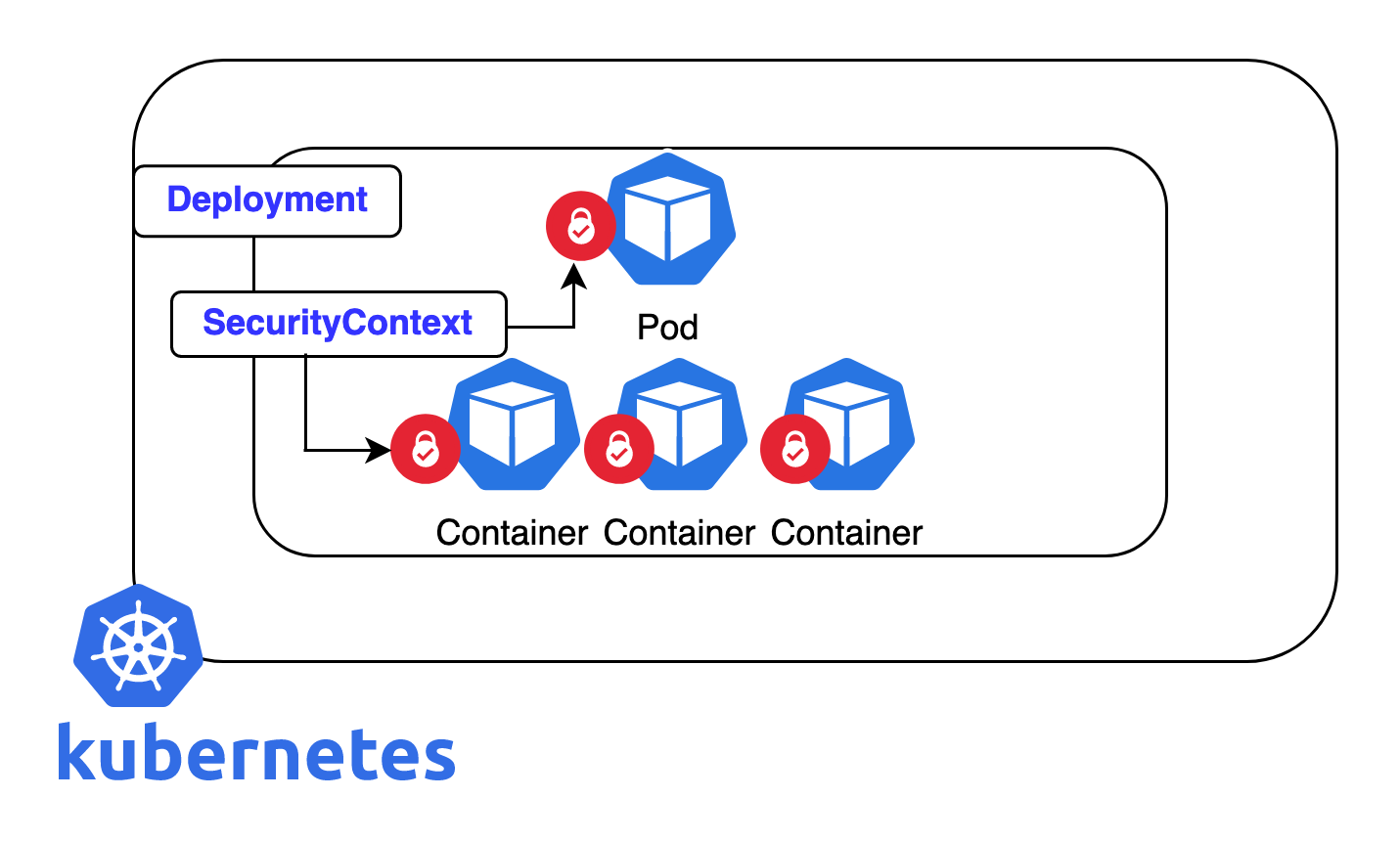
K8s Security Context: Optimizing fsGroup for Faster Pod Starts ⏰

In a data pipeline architecture, it is often challenging to efficiently read a batch of messages from Kafka and write them to AWS S3 while reducing storage costs. To achieve this, Apache Flume was employed, an effective tool for collecting and moving large amounts of log data in real-time. This use case revolves around reading messages from Kafka in bulk, and then buffering them temporarily before transferring them to S3 in larger batches. This batching mechanism helps reduce API calls...

Read
Post Image

Deep dive into container Internals

Containers have revolutionised the way we develop, deploy, and manage applications. They offer lightweight, portable environments that encapsulate everything an application needs to run, making it easier to build, ship, and run software across different computing environments. But have you ever wondered how containers achieve such efficiency and isolation? In this post, we'll take a deep dive into the internals of containers, exploring their implementation, resource limitations, and isolation mechanisms.Containers are implemented using a combination of Linux kernel features, primarily...

Read
Post Image

Using Hashicorp Vault with a Micronaut application in K8s

Managing the secrets of your applications is an integral part of taking an application to production. After all, they contain the keys to your kingdom. Many Java frameworks provide out-of-the-box integration with Vault; in most cases, you do not even need to write any boilerplate code. In this article, I will demonstrate how Micronaut integrates with Vault, what are some of the challenges with this method and how we can overcome these challenges. Micronaut supports integration with vault through this...

Read
Post Image

Helm incubator kafka setup with SSL auth

Photo by Jukan Tateisi on Unsplash Helm chart for incubator kafka is deprecated now. But still I feel this helm chart is very handy for doing PoC setup.ref : https://github.com/helm/charts/tree/master/incubator/kafka Incubator kafka helm chart supports SSL auth setup for brokers but it lacks documentation for doing so. I have struggled to get the setup right by going through their github only available links (mentioned below), which give some idea about the setup. I have used terraform for this setup.Ref :https://github.com/helm/charts/issues/3951https://github.com/helm/charts/pull/7693 Assumptions is you already...

Read