intelligent Engineering

Post Image

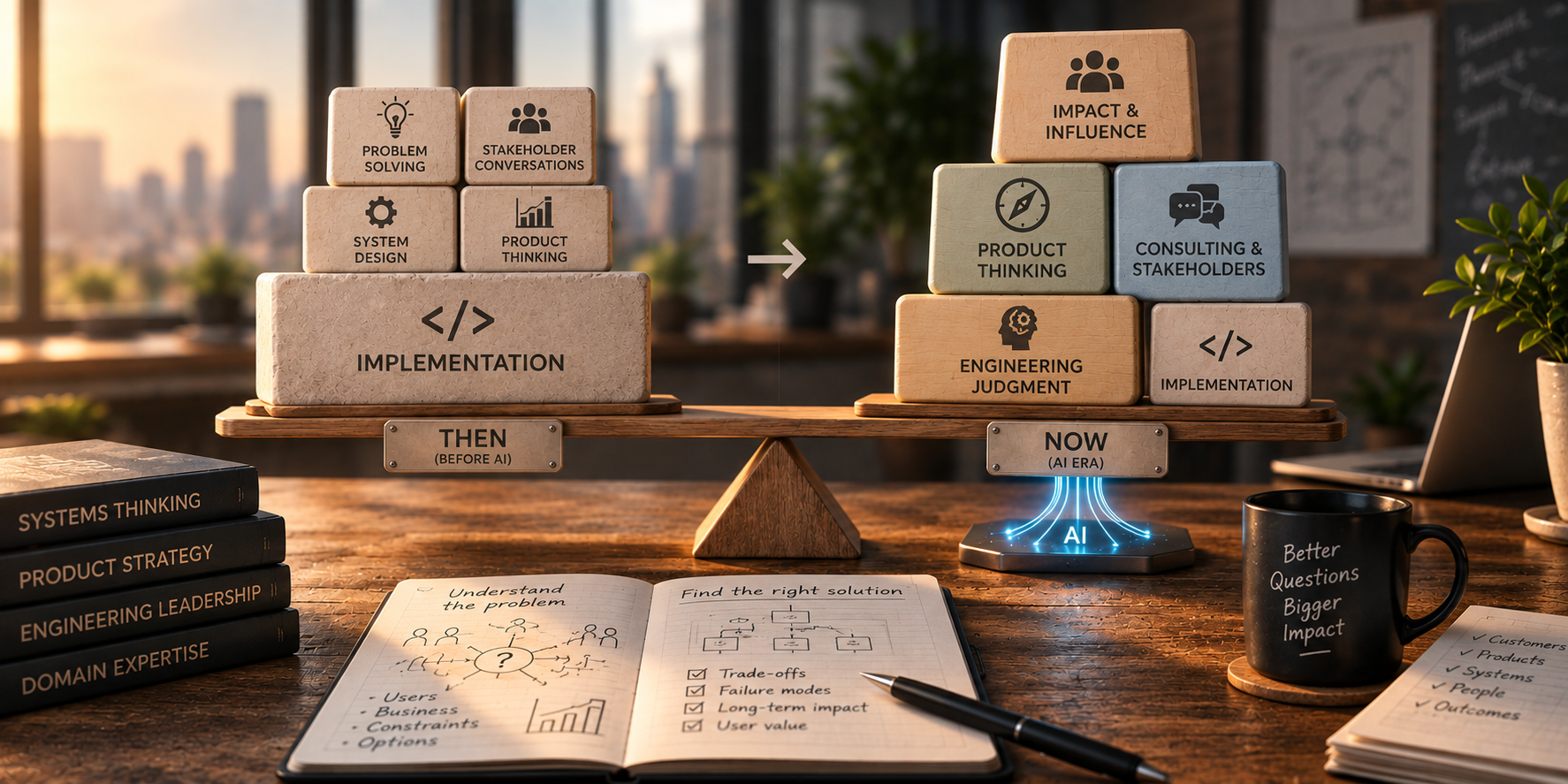
The Definition of a Great Software Engineer Is Changing

Implementation used to be the clearest evidence of engineering ability. AI is exposing the judgment that working code had made difficult to see.AI is reducing the cost of turning an idea into working code across software applications. That shifts the constraint in engineering. As implementation accelerates, problem framing, product judgment, failure modelling and validation differentiates great engineers.This shift in constraint was very visible when I built NeoAmp, a browser extension that brings the look of Winamp and old Windows Media...

Read

Post Image

Context Engineering for AI-Assisted Development

Same model, different tools, different results.If you’ve used Claude Sonnet in Claude Code, Cursor, Copilot, and Windsurf, you’ve noticed this. The model is identical, but the behavior varies. This isn’t magic. It’s context engineering.In Principles for Building With AI, I mentioned that “context is everything” and that “context engineering matters more than prompt engineering.” But I didn’t explain what that means or how to do it. This post fills that gap.Imagine you’re in a day-long strategy meeting. There’s one whiteboard...

Read

The Thin Line Between AI-Assisted Development and Vibe-Coding

I still fondly remember my first-hand experiences of using GitHub Copilot and Cursor. When I used GitHub Copilot for the first time (around 2023), I was a college student in my third year. It was an evening time, sitting alone in the HoD room, working on a project. I had applied for GitHub Education Pack and got access to GitHub Copilot through JetBrains Rider. It was those early days when Copilot was just autocompletions with specially-trained LLM called "Codex" and...

Read
Post Image

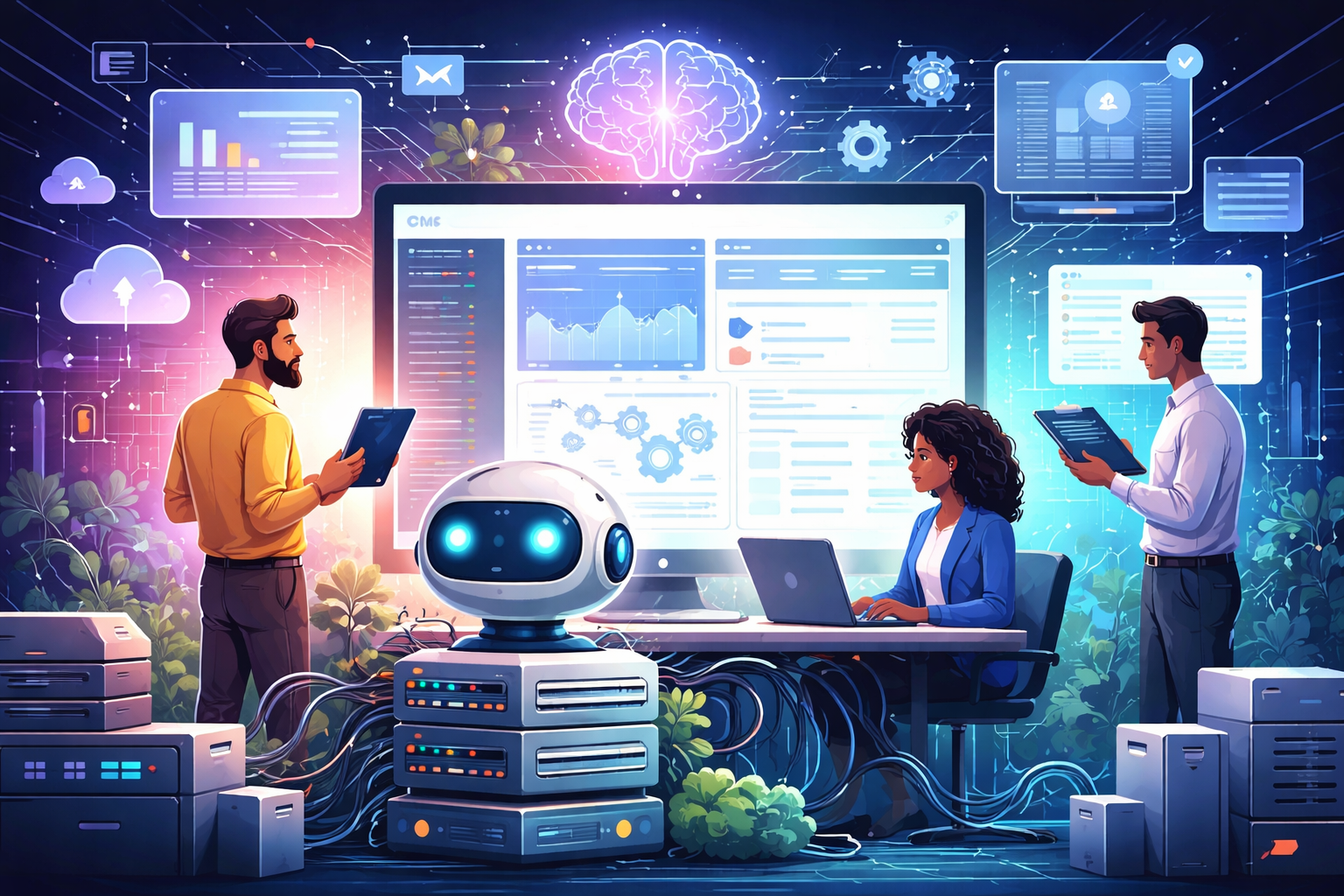
Engineering the AI Partnership: Making AI-Accelerated Delivery Reliable

We rebuilt an existing website to be CMS-driven: Strapi owned content and page structure, while a modularised Vue frontend handled rendering and behaviour. Over an 8‑week delivery window, we went from “AI is exciting but unpredictable” to shipping  — by treating AI like a teammate with a clear process, not a magic button. This post is a standalone case study of that evolution: the workflow we designed, the mistakes we hit early, and the system that kept . When we first got...

Read
Post Image

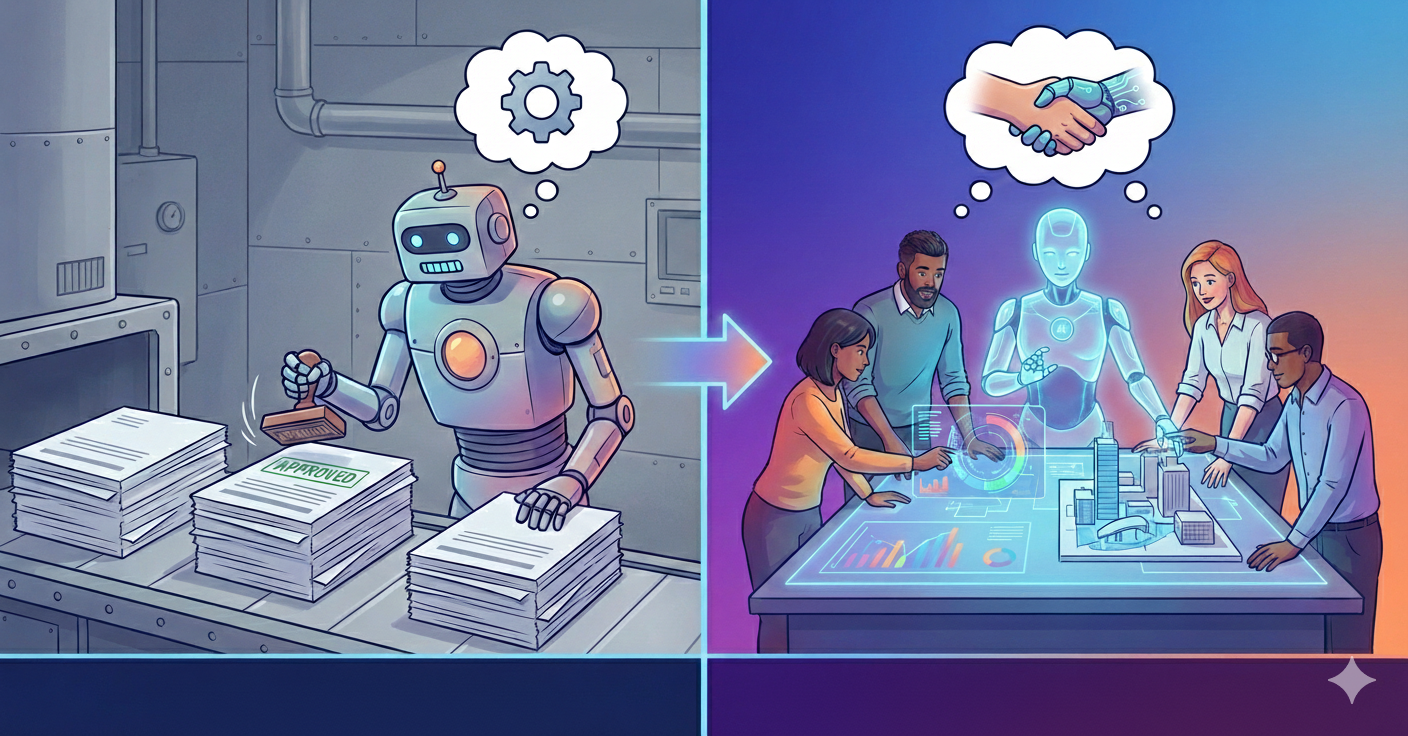
From Naive Automation to Intentional Collaboration with AI

When Claude Code landed in our team, we dived right in and jumped on the AI train: we asked it to rebuild the site end-to-end with a CMS behind it. We had to recreate in with , so felt like the obvious move.It produced code fast — and we spent the next two days discovering why “fast output” isn’t the same as a system you can extend, test, and hand over. This post is the story of that failure, and the pivot that...

Read
Post Image

AI in Technical Decision-Making: A Field Guide

We had to run discovery, to do it, and to deliver — so instead of debating CMS options in theory, we used AI to and let the client make an evidence-based choice.We were brought into a project to migrate parts of an existing web application into a Content Management System (CMS) so the marketing team could ship content without constant developer involvement.The constraint that shaped everything: we had less than a week to complete discovery (including presenting working prototypes), and then eight...

Read
Post Image

Principles for Building With AI

Software engineering is changing. Again.I've spent the last two years applying AI across prototyping, internal tools, production systems, and team workflows. I've watched it produce an elegant solution in seconds, then confidently generate code calling APIs that don't exist. I've seen it save hours on boilerplate and cost hours debugging hallucinated dependencies.One thing has become clear: AI doesn't make engineering easier. It shifts where the hard parts are.The teams I've seen succeed with AI aren't the ones using it everywhere....

Read
Post Image

Embracing intelligent Engineering for Accelerated Growth and Efficiency

By strategically adopting Sahaj’s intelligent Engineering approach to AI-augmented  software development, Axi Financial Services created a blueprint for operational agility,  significantly reducing the average time to integrate new Payment Service Providers (PSPs)  by over 20%.  Axi, a global online broker specializing in forex and CFD trading, faced a serious bottleneck  integrating multiple Payment Service Providers (PSPs) which was slowing growth. By  leveraging Sahaj’s intelligent Engineering approach to AI-augmented software development,  Axi not only reduced the average time to integrate new PSPs...

Read
Post Image

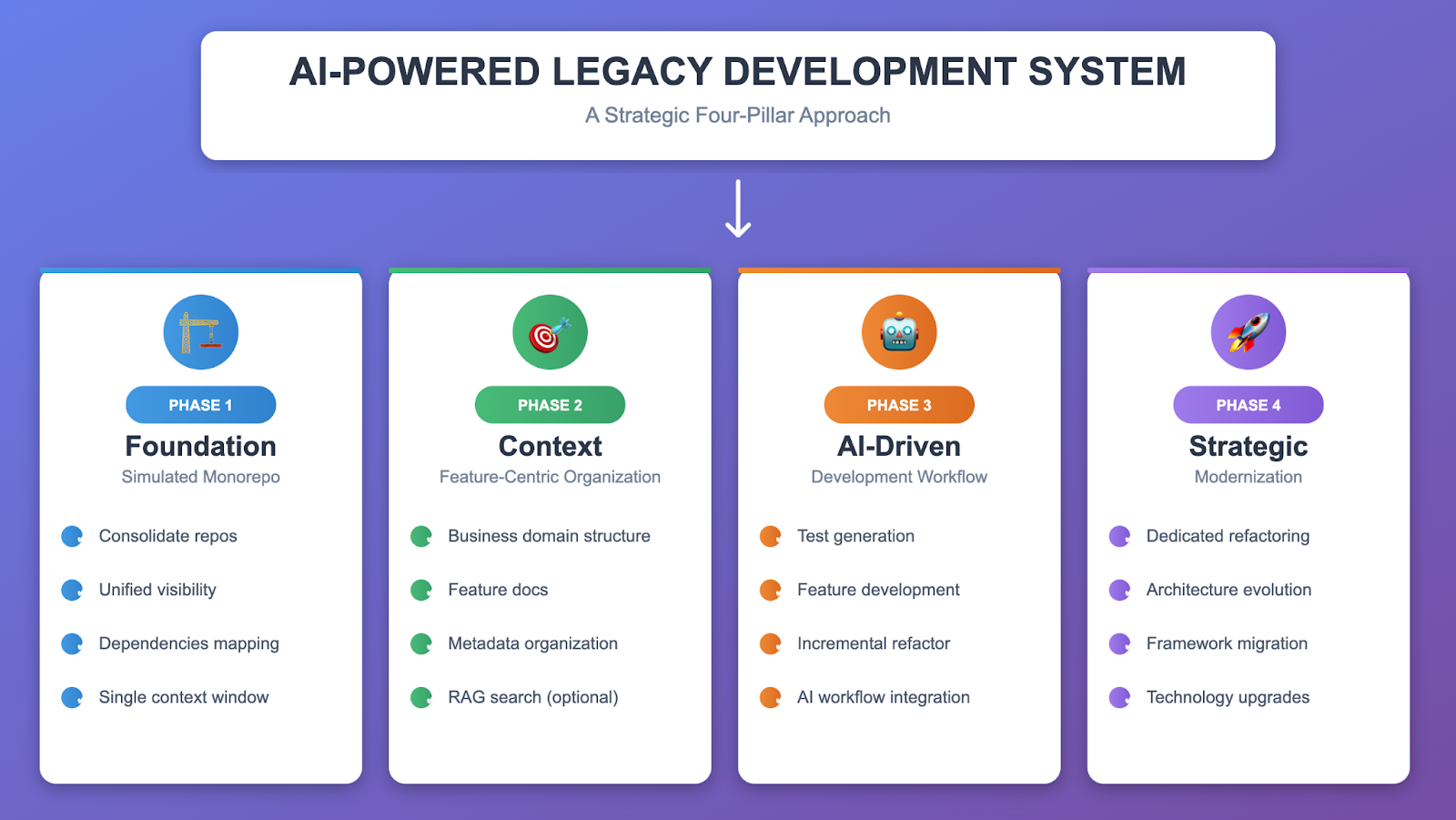
Setting Up Legacy Systems for AI-Powered Development

This case study documents a systematic approach to . Instead of treating AI as a one-time modernization tool, we establish infrastructure and context that enables AI to become the primary development partner—building new features, generating comprehensive tests, and driving continuous modernization.By investing in three foundational pillars, organizations achieve dramatic improvements in development velocity while maintaining or improving code quality: - Consolidate disparate codebases to give AI complete visibility - Organize metadata around business domains for AI understanding - Enable AI...

Read