PE

Post Image

Designing Resilient Event-Driven Systems

How we handle failures changes drastically in the event-driven systems world. Unlike the immediate feedback loop with API-based systems, producers fire off a message and assume things will work fine. This is not just technical; it's also about trust and reliability.When I was working on an e-commerce application, it really taught me the importance of failure handling in event-driven systems. It became more apparent when we hit peak sales campaigns. The volume of events coming in really tested the system,...

Read
Post Image

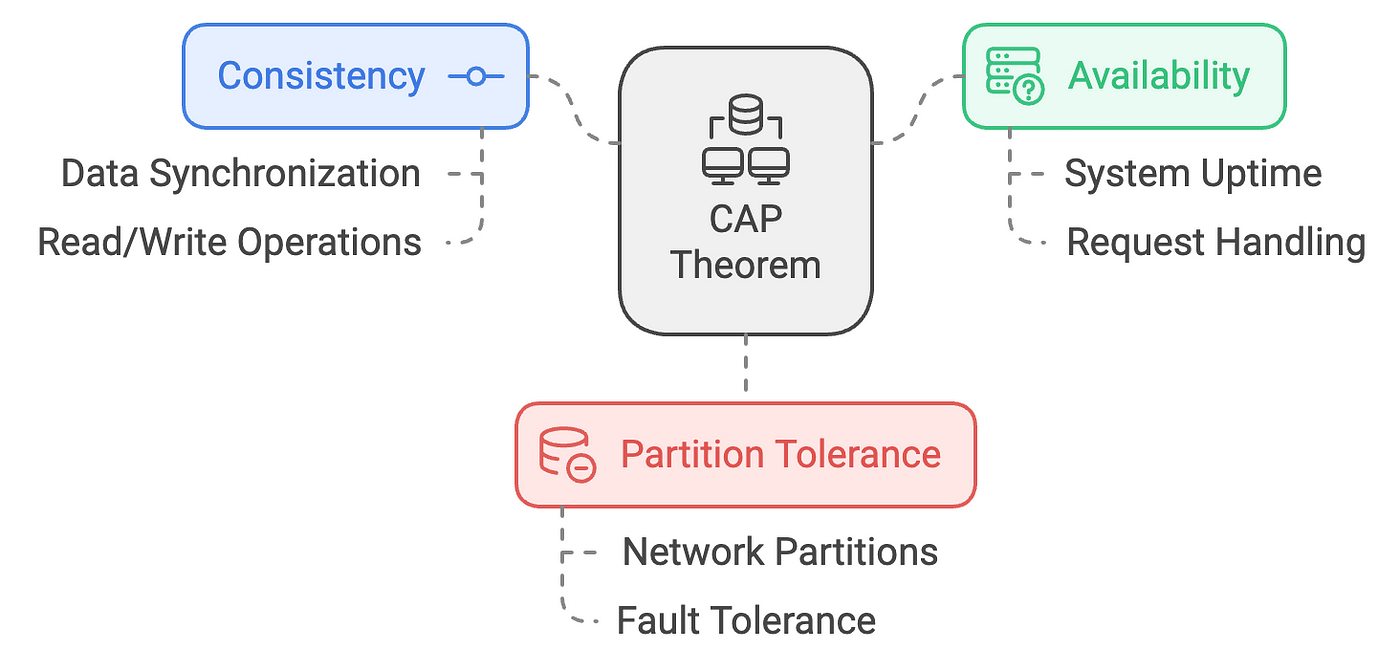
Cassandra’s Tunable Consistency Model: A Game-Changer for Distributed Systems ⚙️🚀

In today’s world, databases are the backbone of information flow, much like roads guiding traffic 🚗. Just as roads differ in structure, databases rely on varying consistency models to manage data. In distributed systems, where data is replicated across multiple nodes or data centers, ensuring that all users see the same data simultaneously can be challenging, especially during high traffic or network failures 🚦. These conditions can cause nodes to temporarily hold different data copies, making synchronization across the system...

Read
Post Image

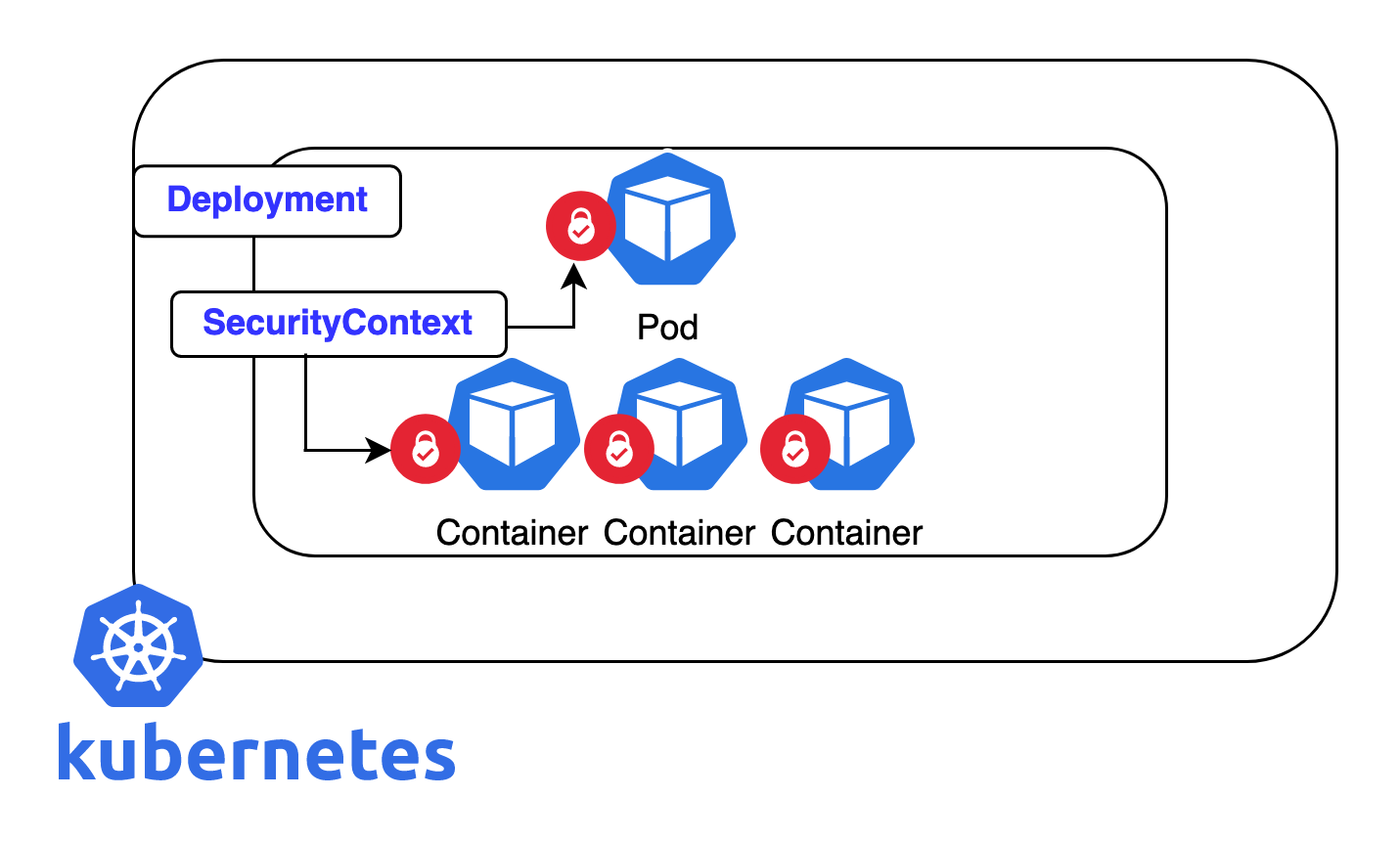
K8s Security Context: Optimizing fsGroup for Faster Pod Starts ⏰

In a data pipeline architecture, it is often challenging to efficiently read a batch of messages from Kafka and write them to AWS S3 while reducing storage costs. To achieve this, Apache Flume was employed, an effective tool for collecting and moving large amounts of log data in real-time. This use case revolves around reading messages from Kafka in bulk, and then buffering them temporarily before transferring them to S3 in larger batches. This batching mechanism helps reduce API calls...

Read