
Optimization

Latency Diet for Large Language Models: Cutting Millisecond Fat Without Losing IQ

When I first started building my own model (a language model for my need ), I went through a lot of videos and built it from scratch. While doing so I noticed something interesting: A model that answers in 300ms feels brilliant, while the same model taking 3 seconds feels broken, even if the answers are identical. Of course, not all extra time is wasted. With reasoning models, those additional seconds often reflect deeper “thinking” running through more steps, generating...

Read
Post Image

Fine-Tuning Shuffle Partitions in Apache Spark for Maximum Efficiency

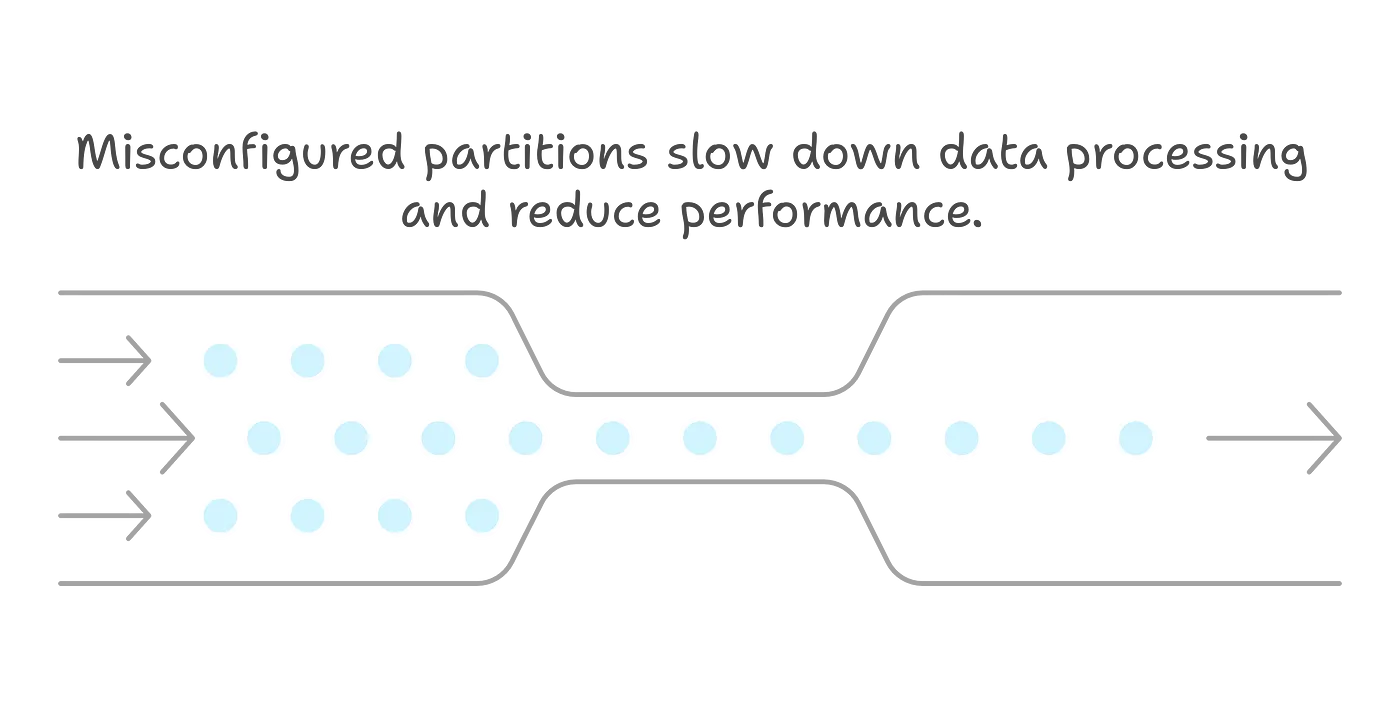
Apache Spark’s shuffle partitions are critical in data processing, especially during operations like joins and aggregations. Properly configuring these partitions is essential for optimizing performance.By default, Spark sets the shuffle partition count to 200. While this may work for small datasets (less than 20 GB), it is usually inadequate for larger data sizes. Besides, who would work with just 20 GB of data on Spark?To optimize performance, it’s crucial to determine the appropriate number of shuffle partitions. Here are some...

Read
Post Image

Cassandra’s Tunable Consistency Model: A Game-Changer for Distributed Systems ⚙️🚀

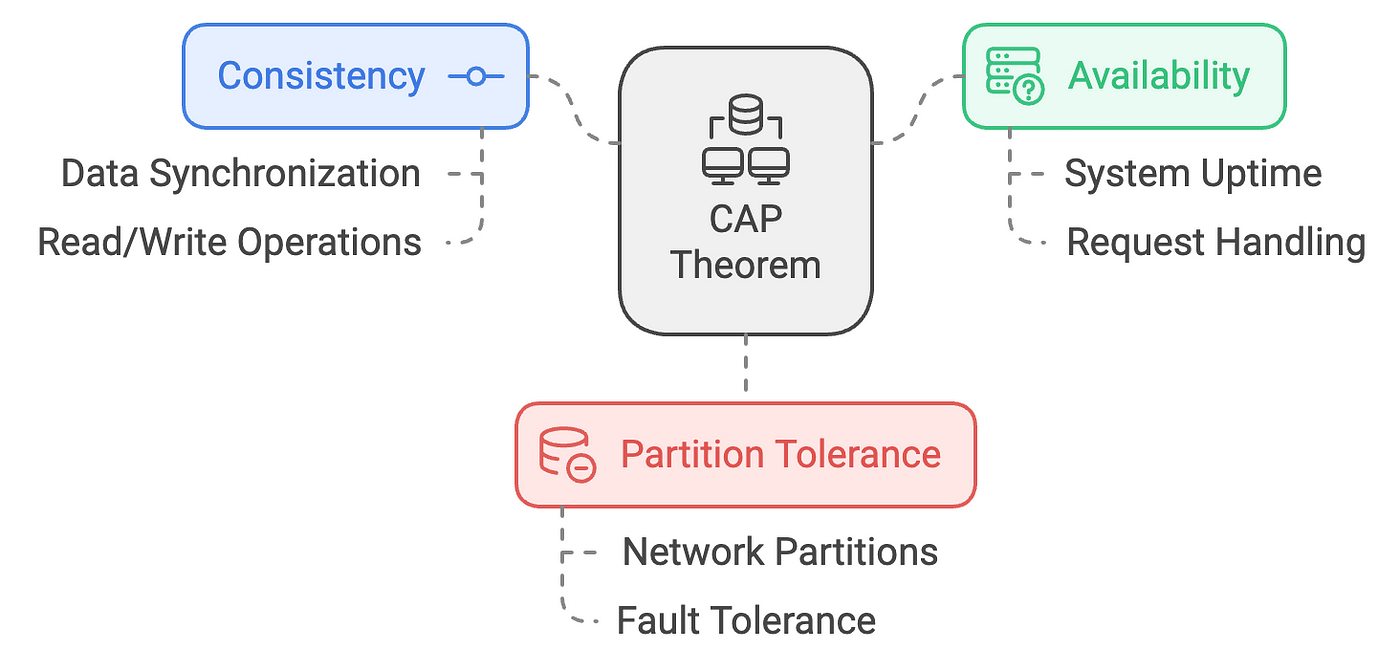
In today’s world, databases are the backbone of information flow, much like roads guiding traffic 🚗. Just as roads differ in structure, databases rely on varying consistency models to manage data. In distributed systems, where data is replicated across multiple nodes or data centers, ensuring that all users see the same data simultaneously can be challenging, especially during high traffic or network failures 🚦. These conditions can cause nodes to temporarily hold different data copies, making synchronization across the system...

Read