Your team has access to every AI tool out there, yet the way your team builds and maintains hasn’t changed by much. Today, you’re not alone, but can you say the same of the future? There are people already cracking the code on AI in software delivery, changing how they design, build, test, and ship. Devday puts you in the same room as these thinkers and tinkerers. Share the space and take part in the conversation.
Session 1: Engineer the Environment, Not Just the Prompt
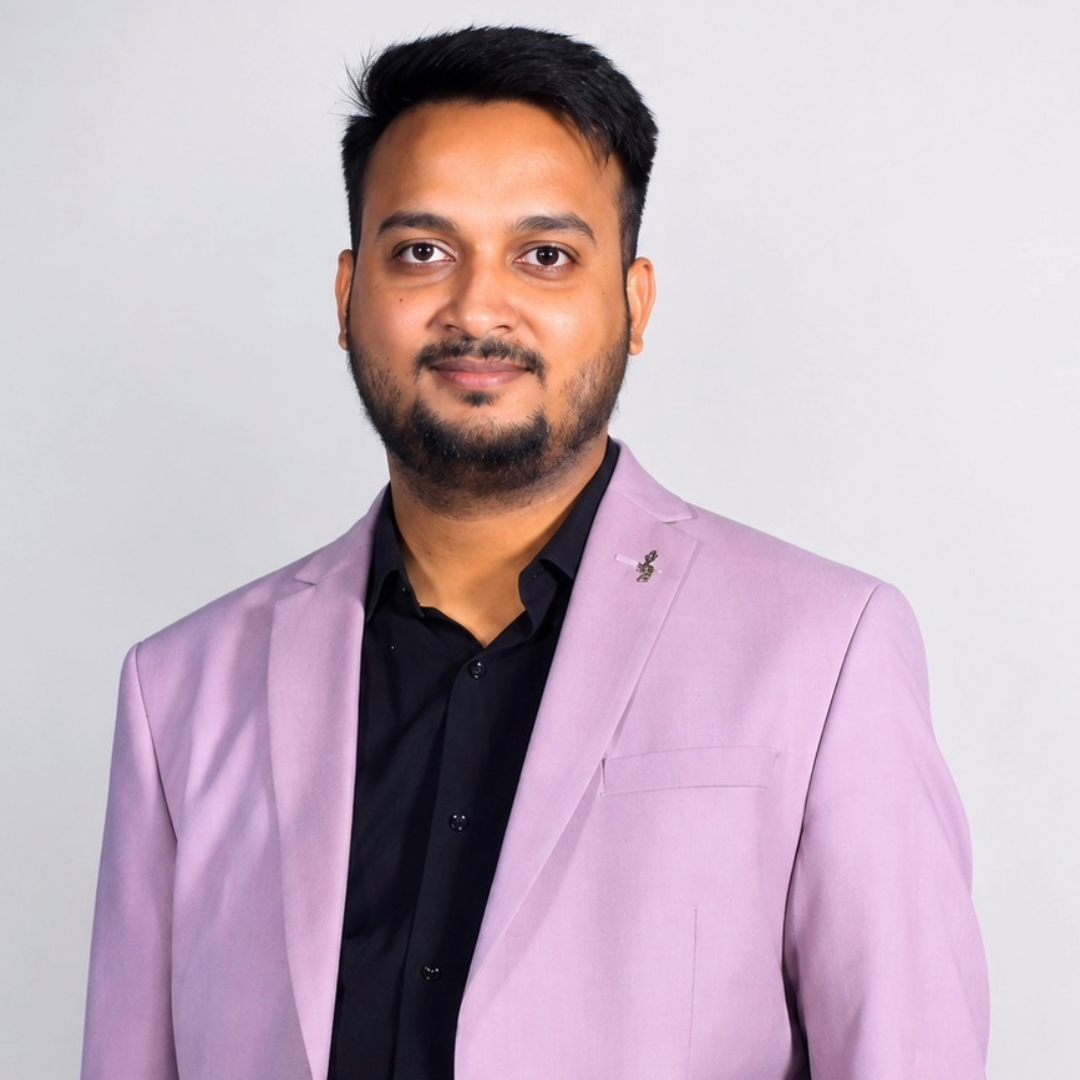
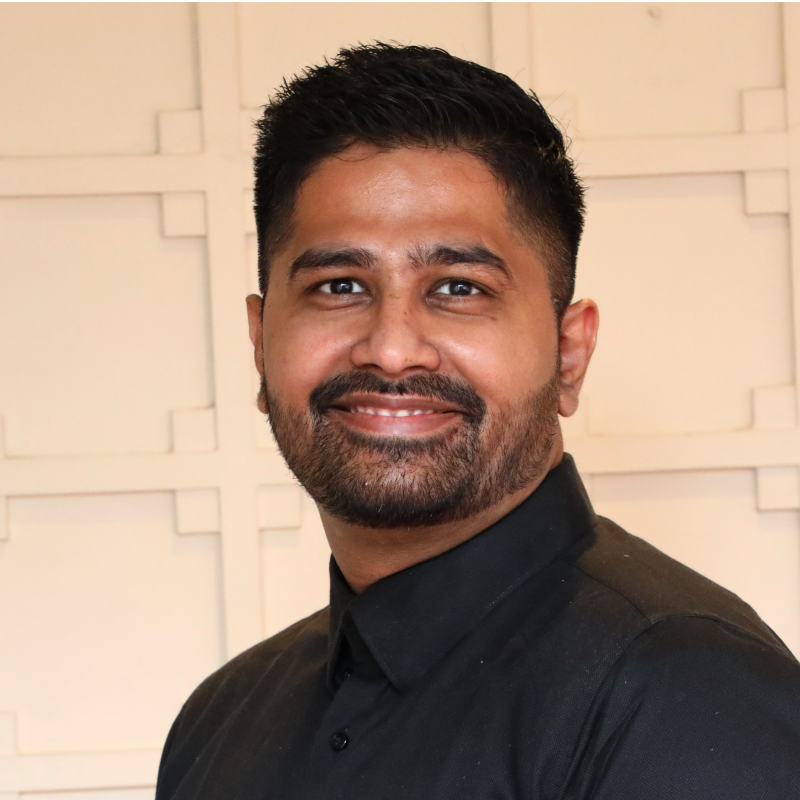
Speaker: Karun Japhet
9:30 AM – 11:00 AM
Phase 1 of AI-augmented software development was prompt engineering, phase 2 was context engineering, which is hitting its ceiling. Phase three needs to be harness engineering—designing the scaffolding and safety nets that determine what the model builds and whether it’s allowed to proceed. This talk examines what a production-grade AI harness looks like and leave you with a concrete framework for auditing your current harness, and knowing exactly what to build next.
Session 2: Reimagining SDLC with Claude Code
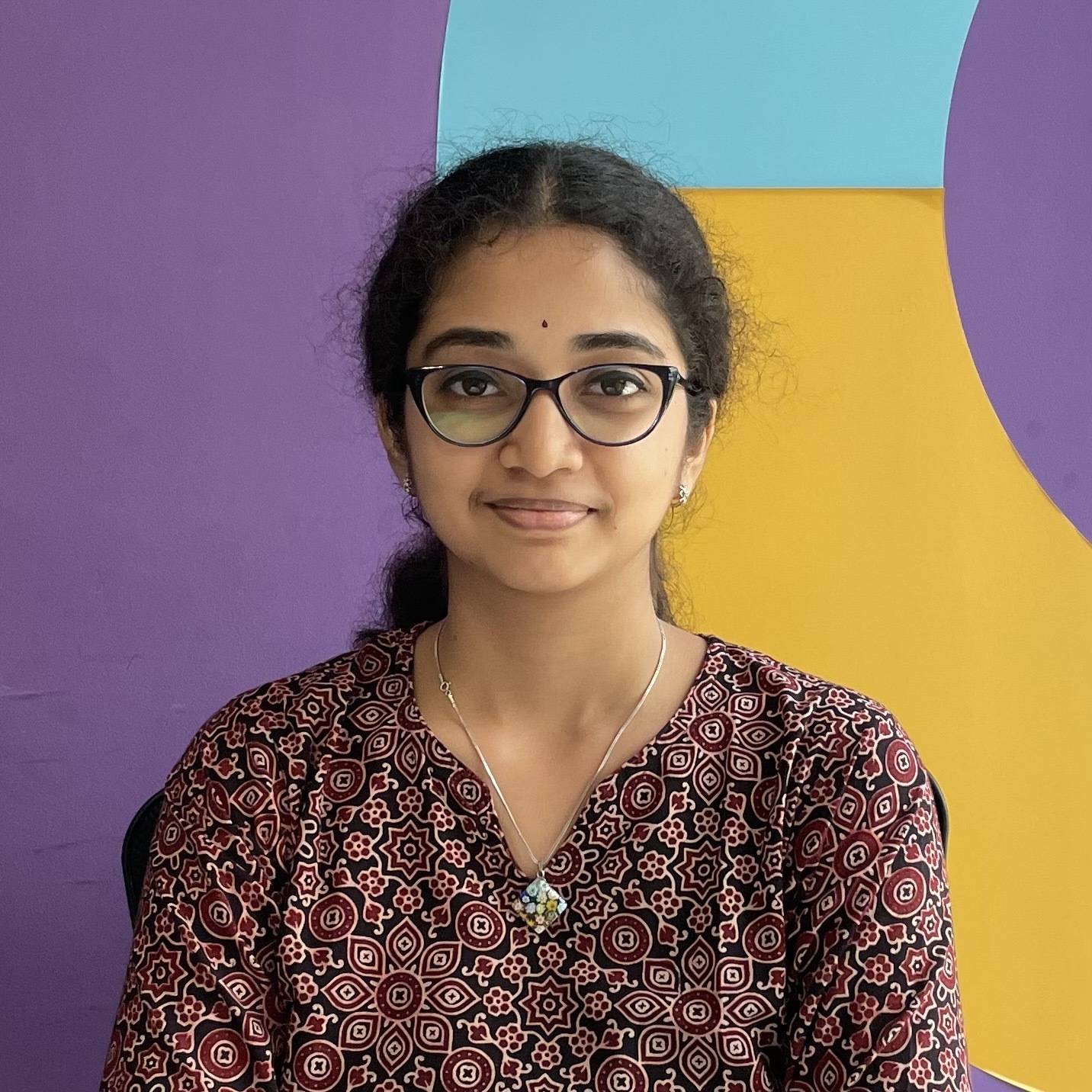
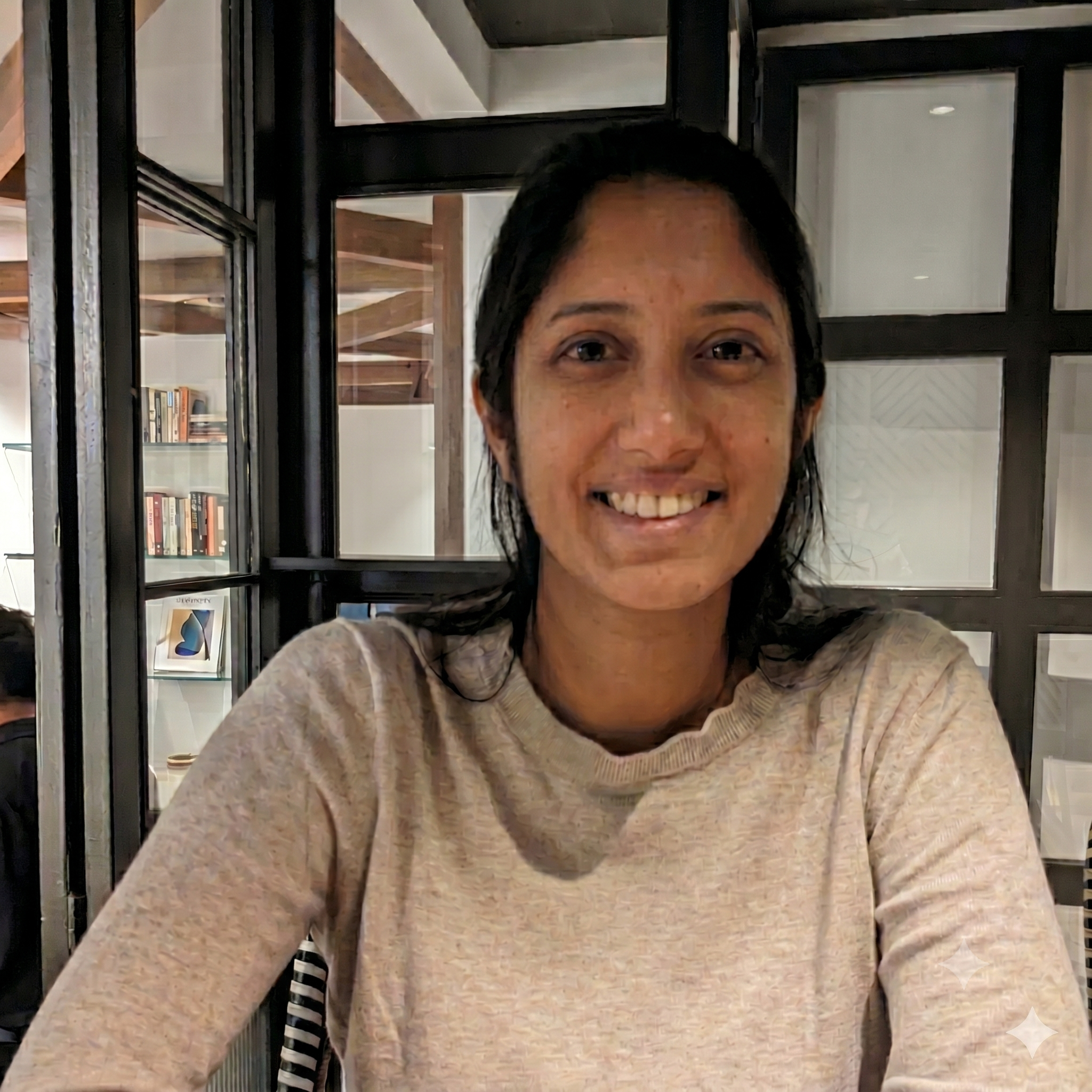
Speakers: Sara Paul and Mahita Dhavala
11:15 AM – 11:45 AM
What happens when AI moves beyond a coding assistant and becomes part of how your entire engineering team works? In this lightning talk, we share how we embedded AI across the SDLC—from grooming and planning to building, reviewing, and testing—transforming isolated experiments into a scalable, team-wide capability. Learn the practical patterns we used to codify workflows, strengthen guardrails as adoption grew, and ensure engineers stayed accountable for AI-assisted output.
Session 3: Production support using AI
Speaker: Abhishek Kumar
11:50 AM – 12:05 PM
An AI agent that investigates production issues across infrastructure layers, finds root causes, suggests fixes, and learns from every investigation to make the next one faster.
Session 4: From Goldfish to Engineer: Designing an AI Assistant That Remembers
Speaker: Denny Sam
12:10 PM – 12:35 PM
LLMs forget. Every conversation starts cold. Restating “I’m working on this story, here’s the repo layout, here’s what we tried yesterday, here’s how I love to work” is the real cost of using an AI assistant at work — and most of the productivity wins are in eliminating that cost. Eva is my personal AI assistant, built on Claude Code. It’s not autonomous. What it does is remember: how I work, what I’ve already decided, which tasks are open, which experiments failed, what feedback I’ve given before. I’ll walk through the scaffolding — a beads-based task tracker, a memory system that loads on demand, error and feedback registries, and hooks that block me when I get sloppy on my own rules. The talk is opinionated. The discipline is what makes it useful: an assistant that pushes back when I drift, that verifies sticky notes against actual state before acting, that flushes context to a story file before switching tasks. Less autonomy, more rigor. The boring path which helps you stay on track!
Lunch Break
12:30 PM – 1:30 PM
Session 5: The Practical Guide to Reverse Engineering XXL Codebases with Agentic AI
Speaker: Harshad Nawathe
1:30 PM – 2:35 PM
If you thought ‘infinite context’ windows can effortlessly swallow your enterprise monolith, then think again. This session shatters the illusion of massive prompt windows and introduces a practical, distributed-systems approach to AI context management. Discover the exact framework used to orchestrate an army of specialized, tool-driven subagents that can successfully map out and reverse-engineer 10,000+ file XXL codebases without ever hitting the context wall.
Session 6: What is intelligent Engineering?
Speaker: Karun Japhet
2:35 PM – 2:55 PM
AI-assisted software development is a broad space: vibe coding, spec-driven development, multi-agent workflows, and dozens more techniques. 2025 was all about using AI across the full SDLC, not just code generation but analysis, design, testing, and deployment. What’s in store for 2026 and beyond as the tools keep getting better?
Session 7: Autonomy Requires Engineering | A field report on moving from AI-assisted to agent-driven delivery
Speaker: Praveen S and Samarth G R
2:55 PM – 3:20 PM
AI-assisted delivery is changing how we build across Sahaj — and as the AI gets faster, more humans spend their time hand-holding it through every step. But autonomy isn’t a property of the model; it’s a property of the system around it. You earn it. This talk is on the climb to agent-driven delivery: cloud agents that own plan → code → iterate, humans on the loop for intent, approval, and merge.
Break
3:30 PM – 3:45 PM
Panel discussion: How the job of a software engineer is fundamentally changing with AI-engineering
Moderator: Vignesh S
3:45 PM – 4:30 PM
Agentic coding tools promise dramatic productivity gains – but they come with real costs, a steep learning curve, and open questions about what “good engineering” even means when an AI can write most of the code.
This panel explores: How do you and your team demonstrate value in this new landscape? What engineering skills matter more now – and which ones matter less? And how do you build a culture that adopts AI tooling without losing the craft?
High Tea and Networking
5:00 PM – 6:00 PM
Important Registration Information
This is an invite-only event with limited seats.
All registrations will go through a screening process. If your registration is approved, you will receive a confirmation email.